- Authors

- Name
- Björn-Michael Lange
- Rechtsanwalt Fachanwalt für Bank- und Kapitalmarktrecht
Neueste Artikel

Björn-Michael Lange
Rechtsanwalt
German Certificate of Inheritance for Heirs from the US Canada UK

Anyone inheriting assets in Germany will often require a German Certificate of Inheritance (Erbschein) to access bank accounts, transfer real estate, or administer the estate. For heirs from the United States, Canada, and the United Kingdom, the German probate process is frequently unfamiliar and highly formalized.
International inheritance matters often face delays due to missing documentation, translation requirements, or procedural errors. Early legal guidance can help avoid these obstacles and significantly accelerate the process.
What Is a German Certificate of Inheritance?
The Erbschein is an official document issued by the German probate court (Nachlassgericht) confirming the identity of the heirs, their inheritance shares, and any restrictions affecting the estate.
Although heirs may already possess a Grant of Probate, Letters of Administration, a trust instrument, or a foreign will, German banks, land registries, and public authorities often require a German Erbschein before recognizing inheritance rights.
This is particularly relevant where the estate includes:
- Real estate located in Germany
- German bank accounts or investment portfolios
- Multiple heirs
- Foreign or handwritten wills
How Does the Procedure Work?
The first step is determining the applicable inheritance law. Under the EU Succession Regulation, the law of the country in which the deceased had their last habitual residence generally applies. In some cases, a valid choice-of-law clause in a will may lead to the application of U.S., Canadian, or English law.
Jurisdiction depends on the deceased's residence, nationality, and the location of assets in Germany. The application must be submitted to the competent German probate court and is typically accompanied by a sworn declaration.
Required Documents
Depending on the circumstances, the probate court may require:
- Original wills and testamentary documents
- Birth, marriage, and death certificates
- Apostilles or legalizations for foreign documents
- Certified German translations
Duration and Costs
International Erbschein proceedings typically take between three and nine months. Processing times may increase where foreign documents must be obtained or legal issues require clarification.
Court fees are calculated according to the value of the German estate and are governed by the German Court and Notary Costs Act (GNotKG).
Why Instruct a German Inheritance Lawyer?
For heirs residing abroad, local legal representation can substantially simplify and expedite the process. An experienced lawyer can communicate directly with the probate court, banks, and authorities, coordinate translations and certifications, and assess whether a more limited and cost-efficient form of Erbschein may be sufficient.
Inherited Assets in Germany?
We assist heirs from the United States, Canada, and the United Kingdom with all aspects of German probate and Erbschein proceedings. Our firm manages the entire process before the German authorities, allowing clients to handle inheritance matters efficiently without travelling to Germany.
Über den Autor

Björn-Michael Lange
Rechtsanwalt · Fachanwalt für Bank- und Kapitalmarktrecht
Weitere Artikel

Farbe als Marke schützen? BGH zu Orange im Baumarkt
Kann eine Baumarktkette die Farbe Orange schützen lassen? BGH verneint Markenschutz Der Bundesgerichtshof hat in seinem Urteil vom 17. September 2026, Az. I ZB 58/25, der Baumarktkette „OBI“ den Schutz einer abstrakten Farbmarke in Orange versagt. Die Ent...

SIAE fordert "Private Copying Levy" von deutschen Unternehmen
Deutsche Unternehmen, die Geräte oder Speichermedien nach Italien verkaufen, erhalten derzeit Aufforderungsschreiben zur italienischen „Private Copying Levy“. Betroffen sein können insbesondere Hersteller, Importeure, Händler und Onlinehändler, die italien...
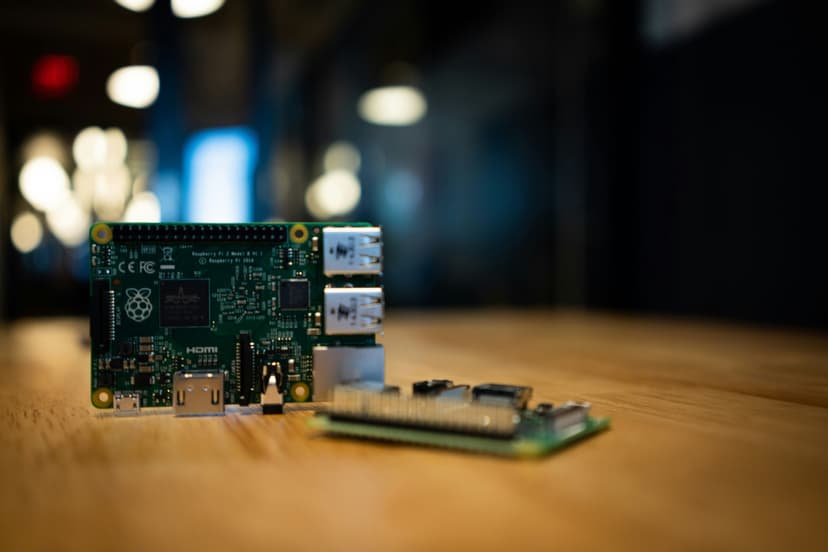
ZPÜ fordert jetzt 4 EUR Geräteabgabe für Single-Board-Computer
Jetzt wird es konkret: ZPÜ fordert 4 EUR Geräteabgabe für Raspberry Pi und andere Single-Board-Computer Die Zentralstelle für private Überspielungsrechte (ZPÜ) macht jetzt konkrete Auskunfts- und Zahlungsforderungen gegenüber einzelnen Unternehmen geltend...
Haben Sie rechtliche Fragen?
Unsere Rechtsanwälte beraten Sie kompetent und diskret. Kontaktieren Sie uns für eine kostenfreie Erstberatung.